What this is
Xequence Audio is a complete music production environment that runs entirely inside a web browser.
It has a modular synthesizer with 34 module types and dynamic voice allocation. It has a mixer with unlimited channels, sends, groups and inserts, 23 effect types, sidechaining and relative automation. It has the highly acclaimed arranger, pianoroll and controller editors from Xequence 2, the iOS MIDI workstation that has held a 4.5 / 5 rating on the App Store since 2017.
The tracks below were written, arranged, synthesized and mixed in it. Every sound you hear was generated by WebAudio nodes in a browser tab.
It is also, right now, a finished thing with nowhere to go. That is what the campaign is about.
Hear it
Two complete productions, arranged and rendered in Xequence Audio.
Instinctive - I Am
Natural Born Chiller - Everything
Lossless masters, produced with Trinity (an in-house mastering suite, also built on WebAudio): I Am (WAV, 65 MB) · Neutron Star (WAV, 66 MB)
Watch it work
Full-length screen recordings of both productions playing back in real time, with the arranger, mixer and synth editors in use.
See it
Click any image for full size.
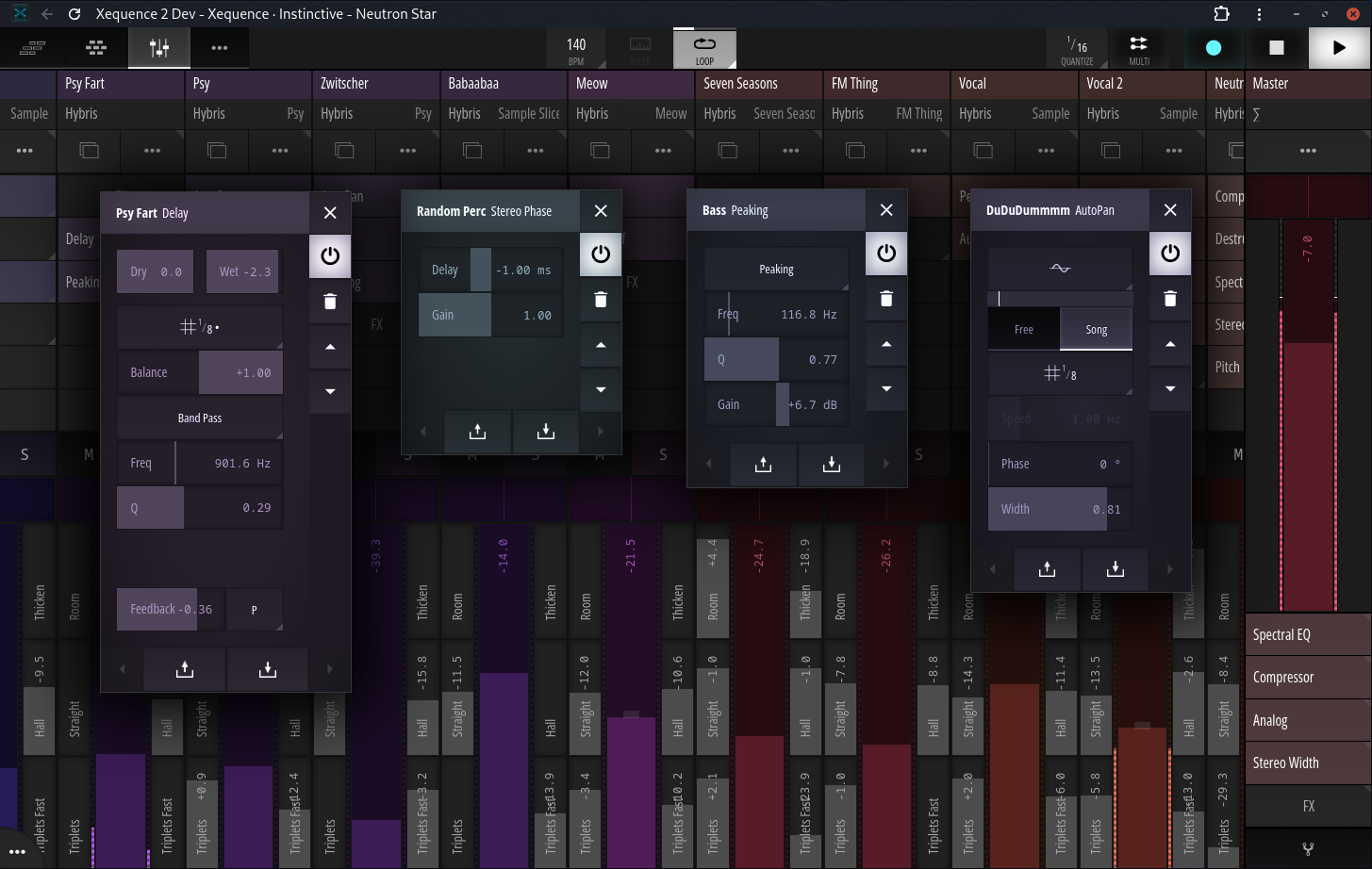
The mixer with four insert effect windows open. Every channel strip, send and group is unlimited.
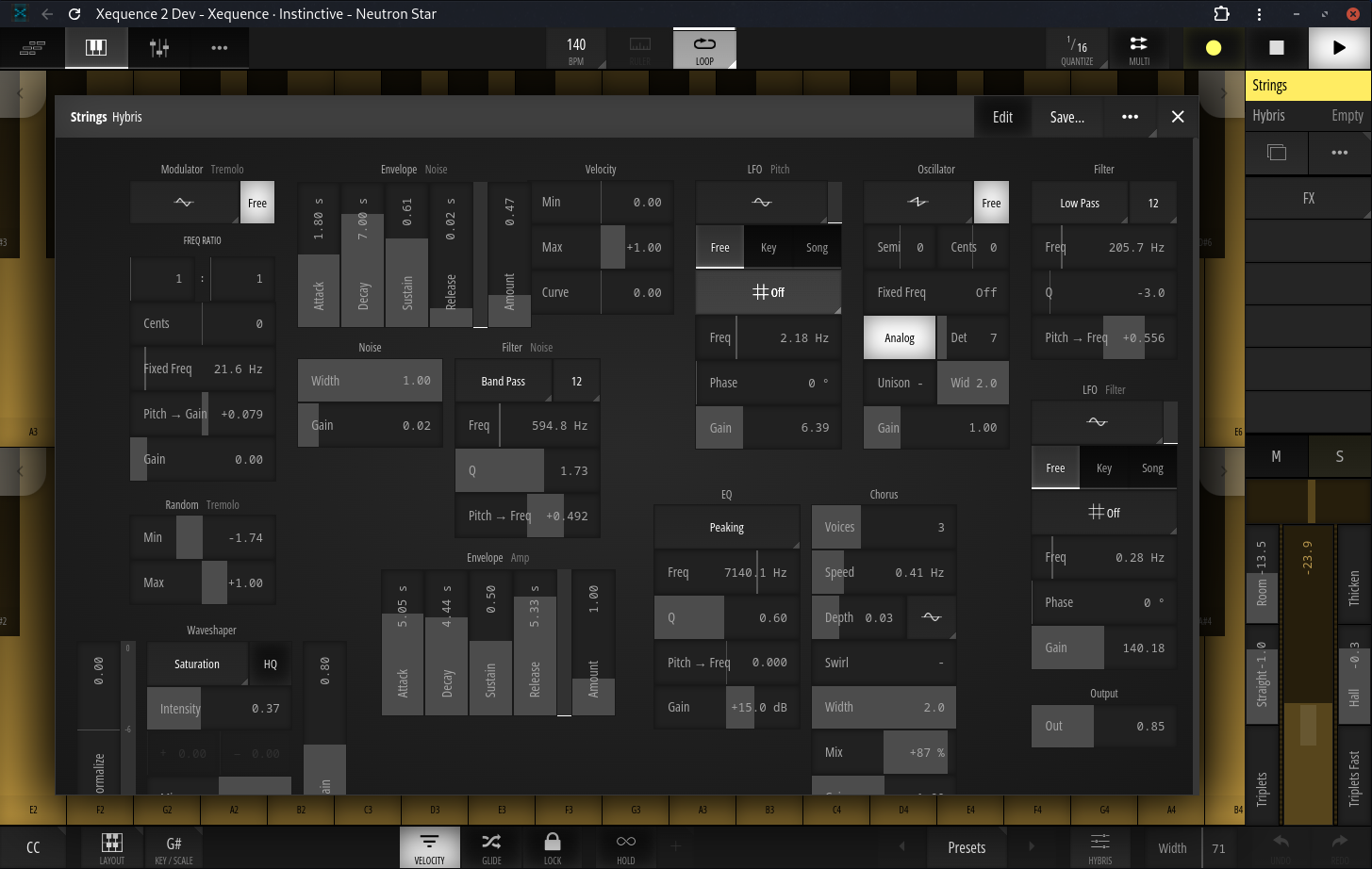
A Hybris patch. The modules are both the user interface and the signal chain.
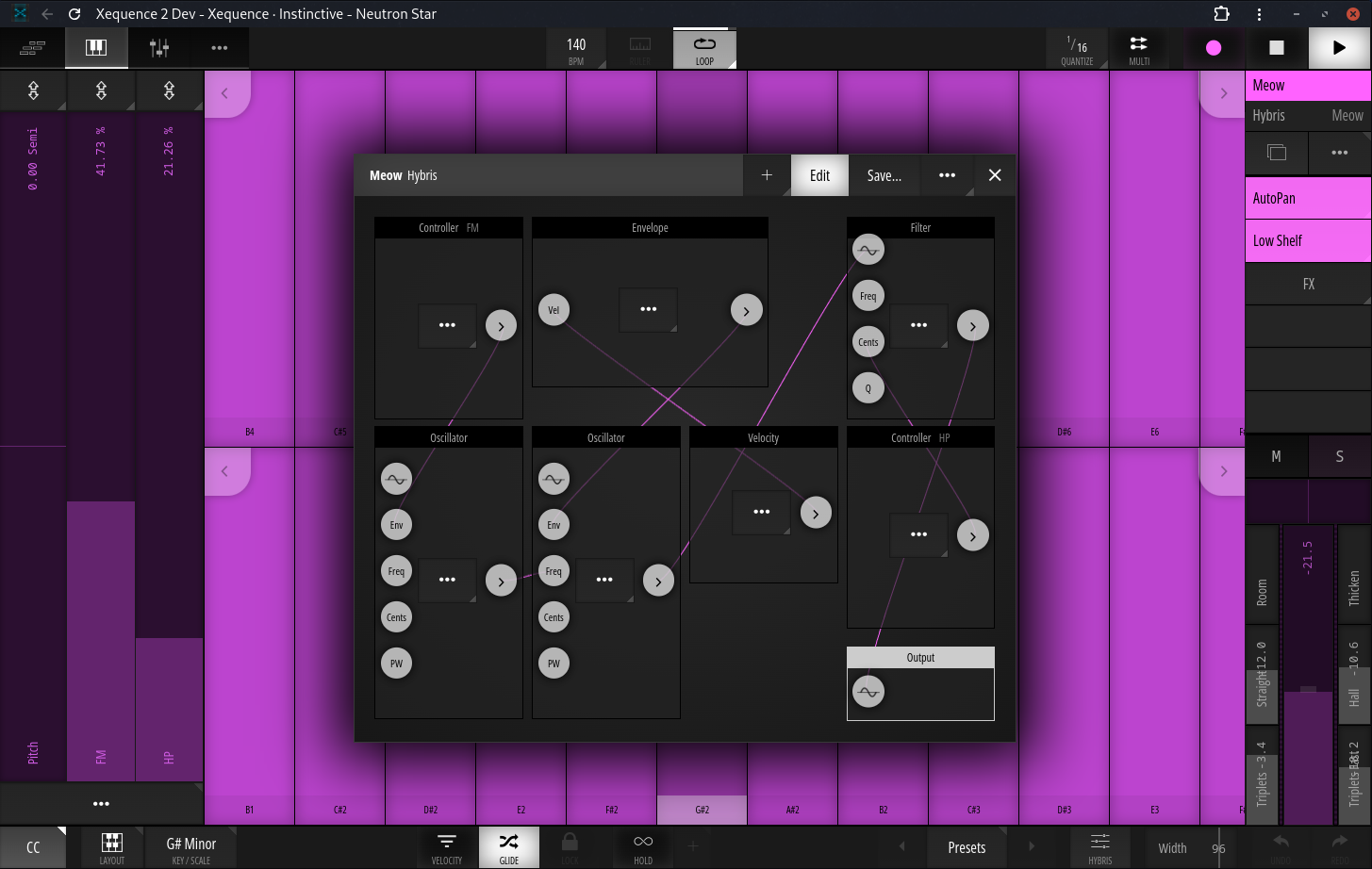
Arbitrary connections between modules and exposed parameters.
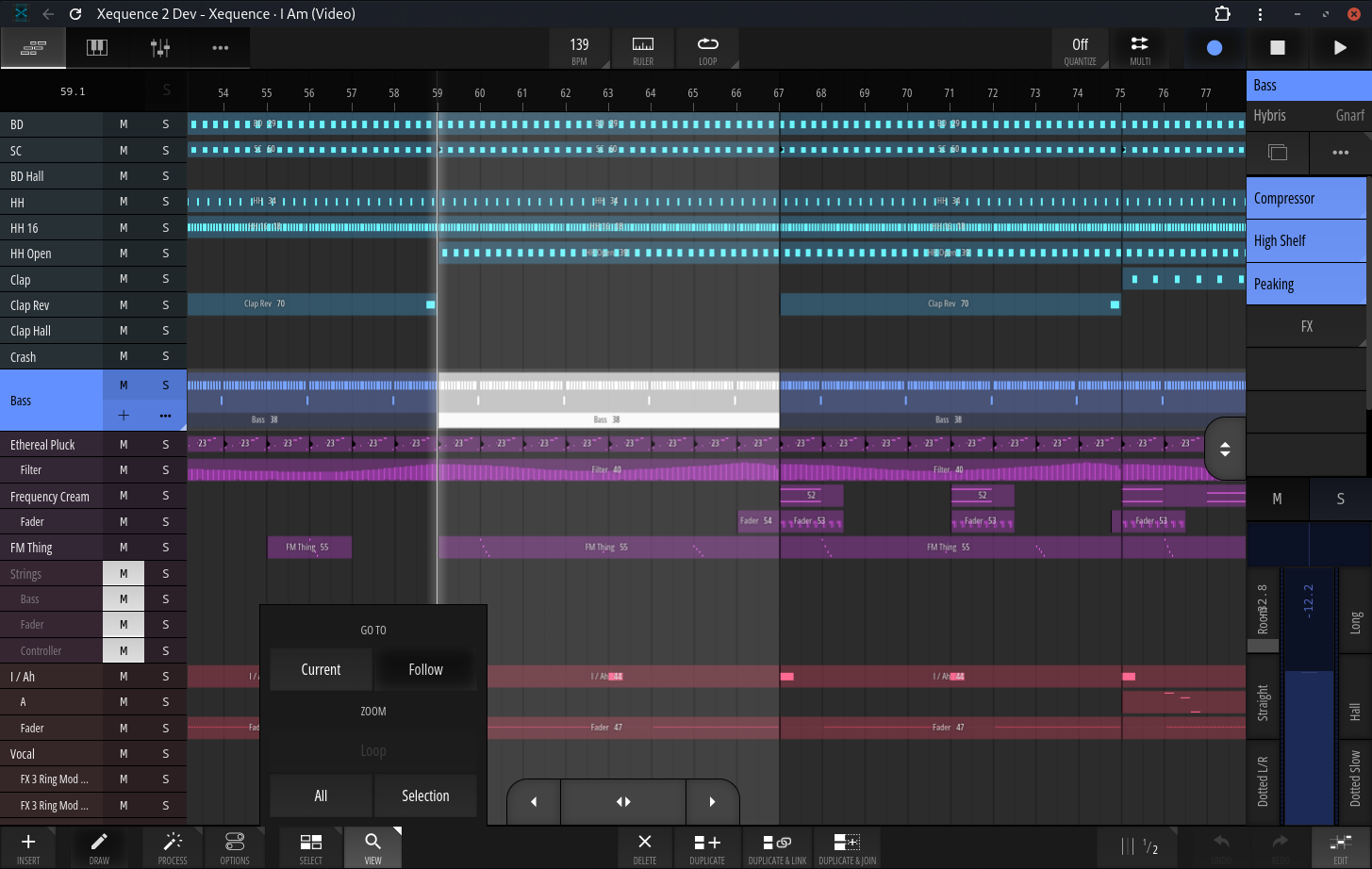
Clips, sub-tracks, linked clones and per-track independent looping.
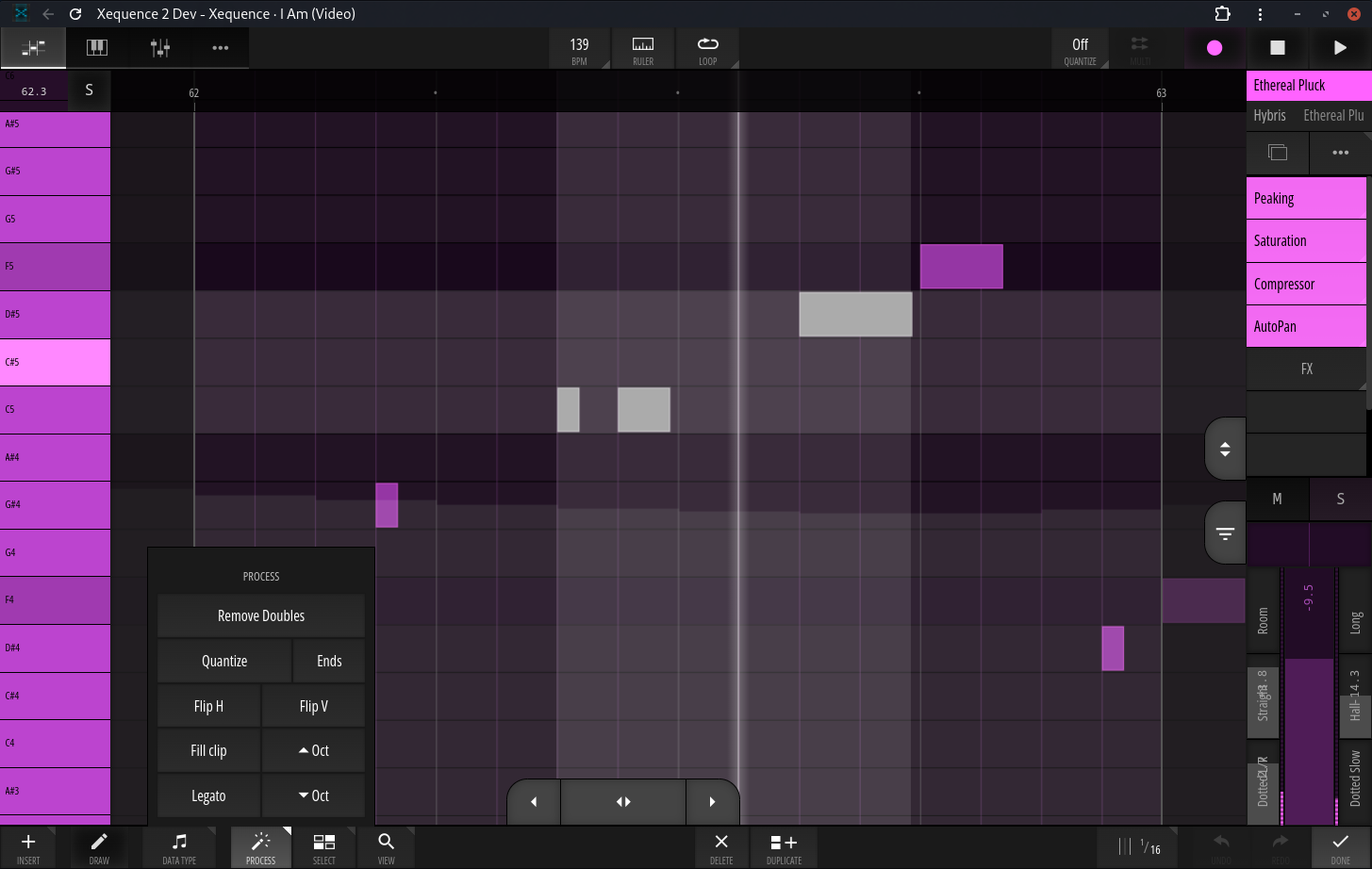
Scale-aware editing with live preview of every change.
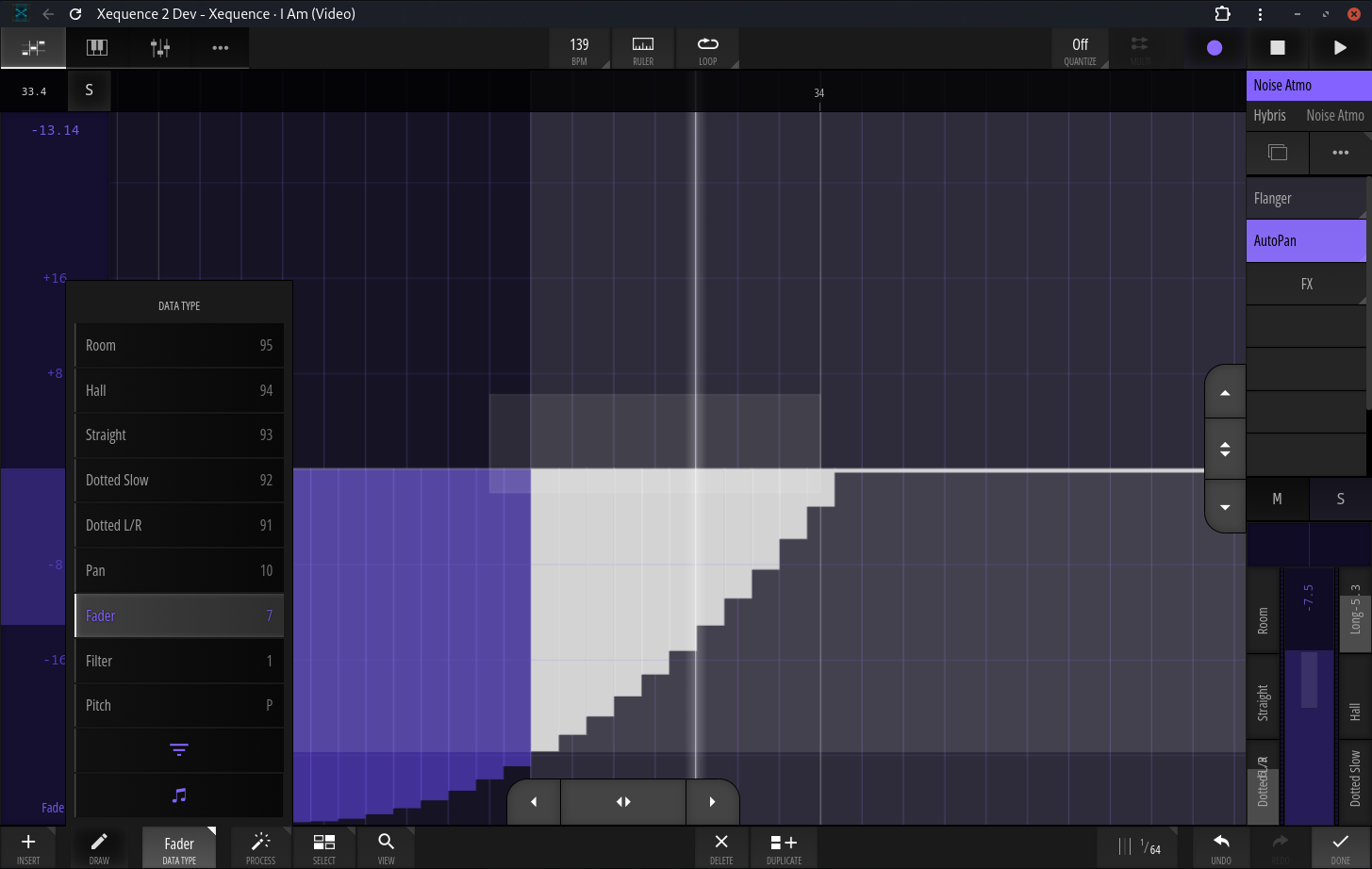
Automation and controller curves, edited with the same tools as notes.
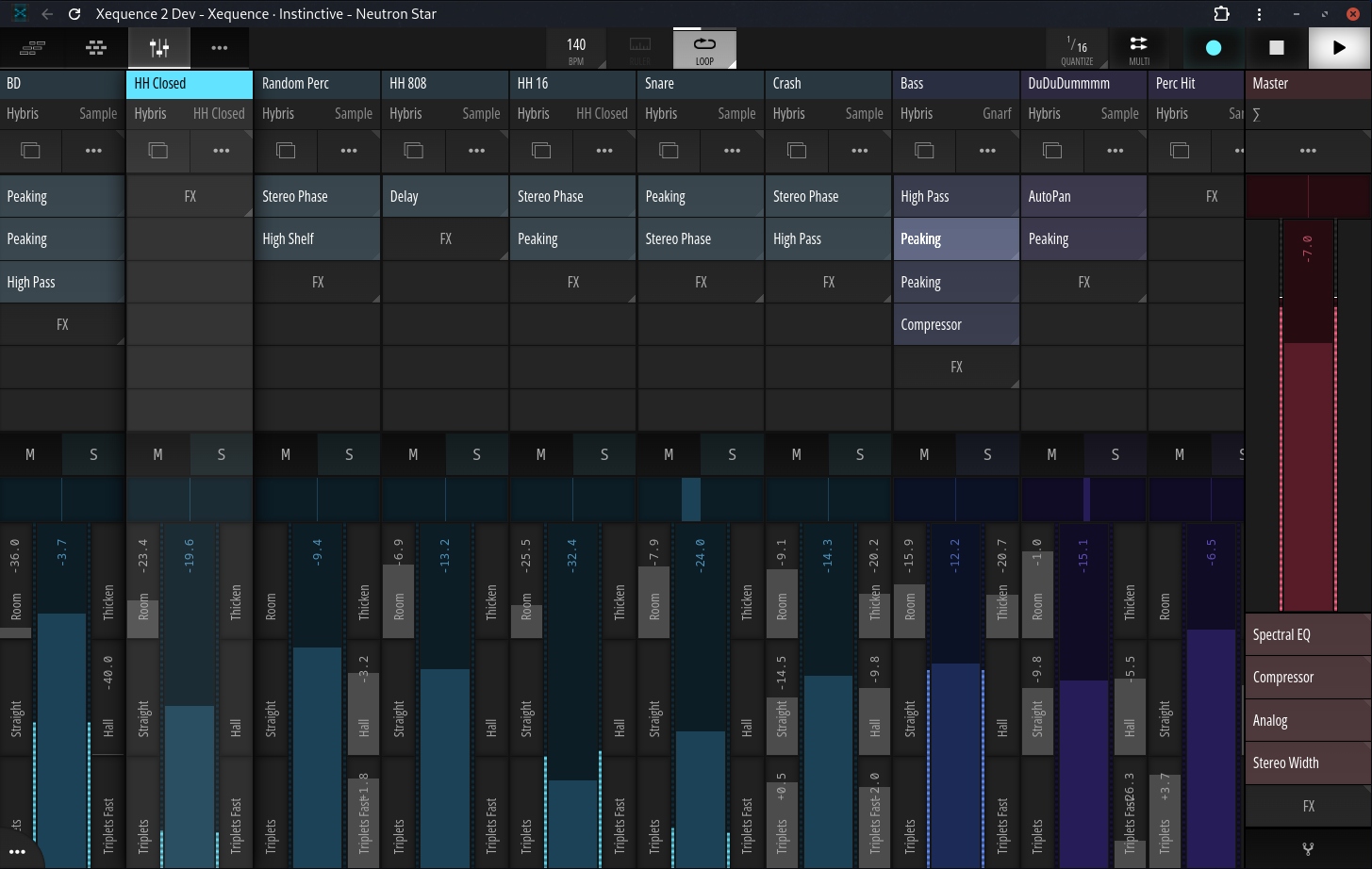
Faders, pans, sends and relative automation.
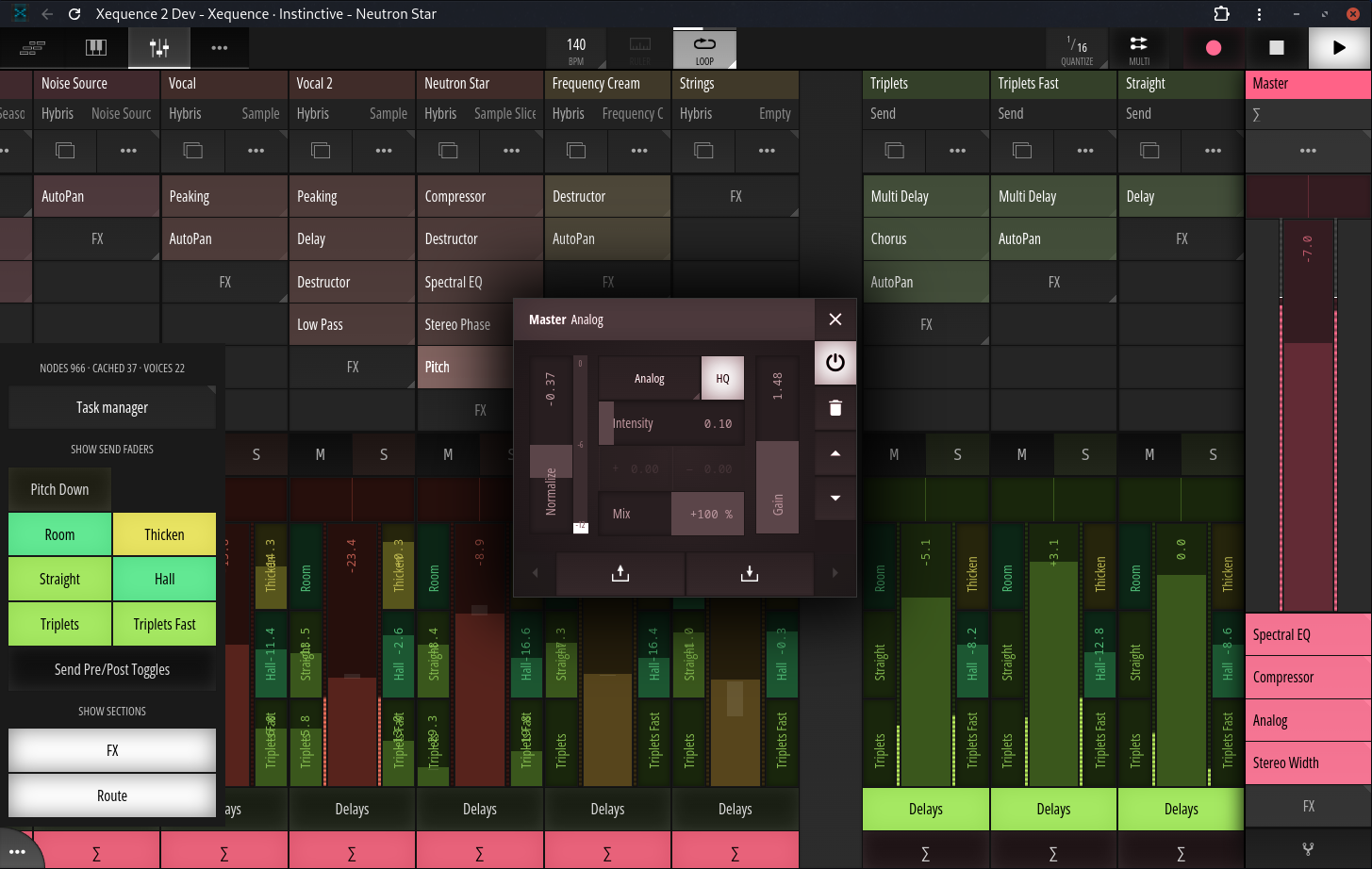
Routing between channels, sends and groups in any direction.
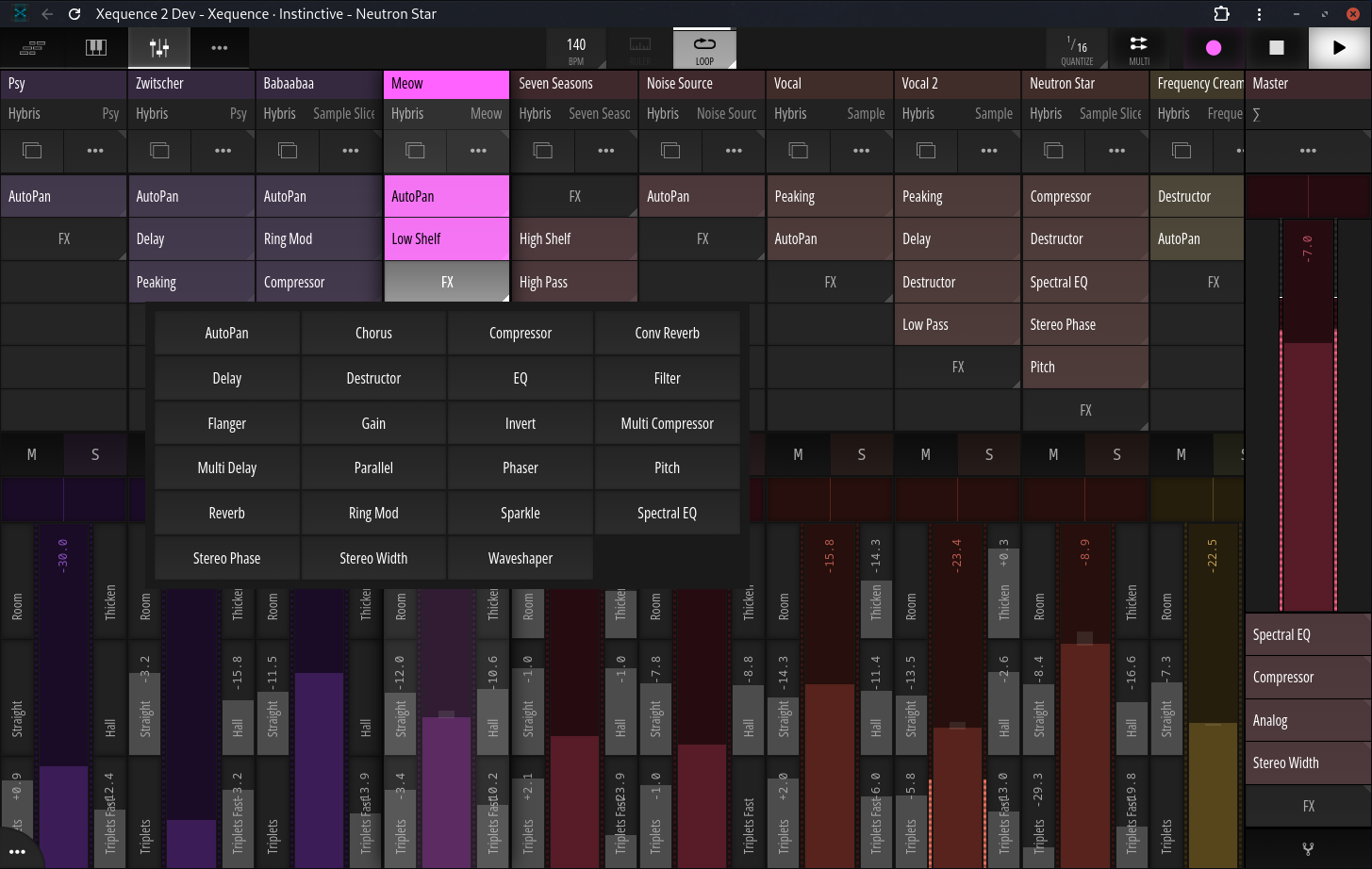
All 23 effect types, reorderable and bypassable per channel. Full list
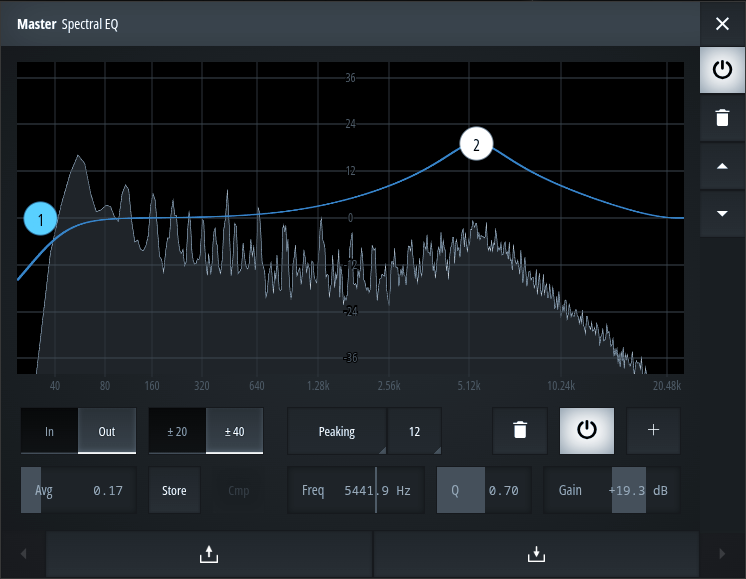
A live spectrum analyser under a fully adjustable response curve.
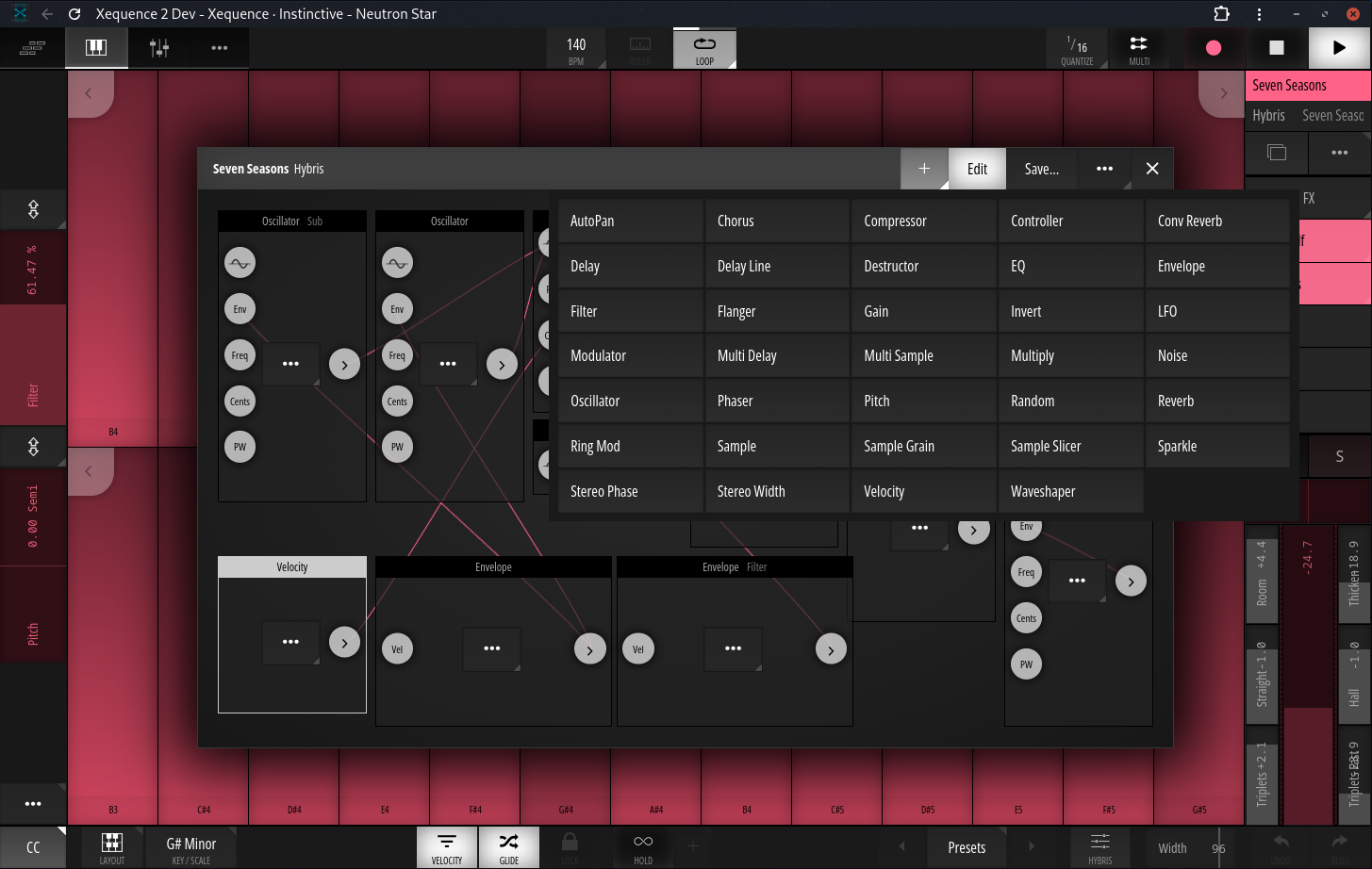
The 34 module types, from oscillators to sample slicers. Full list
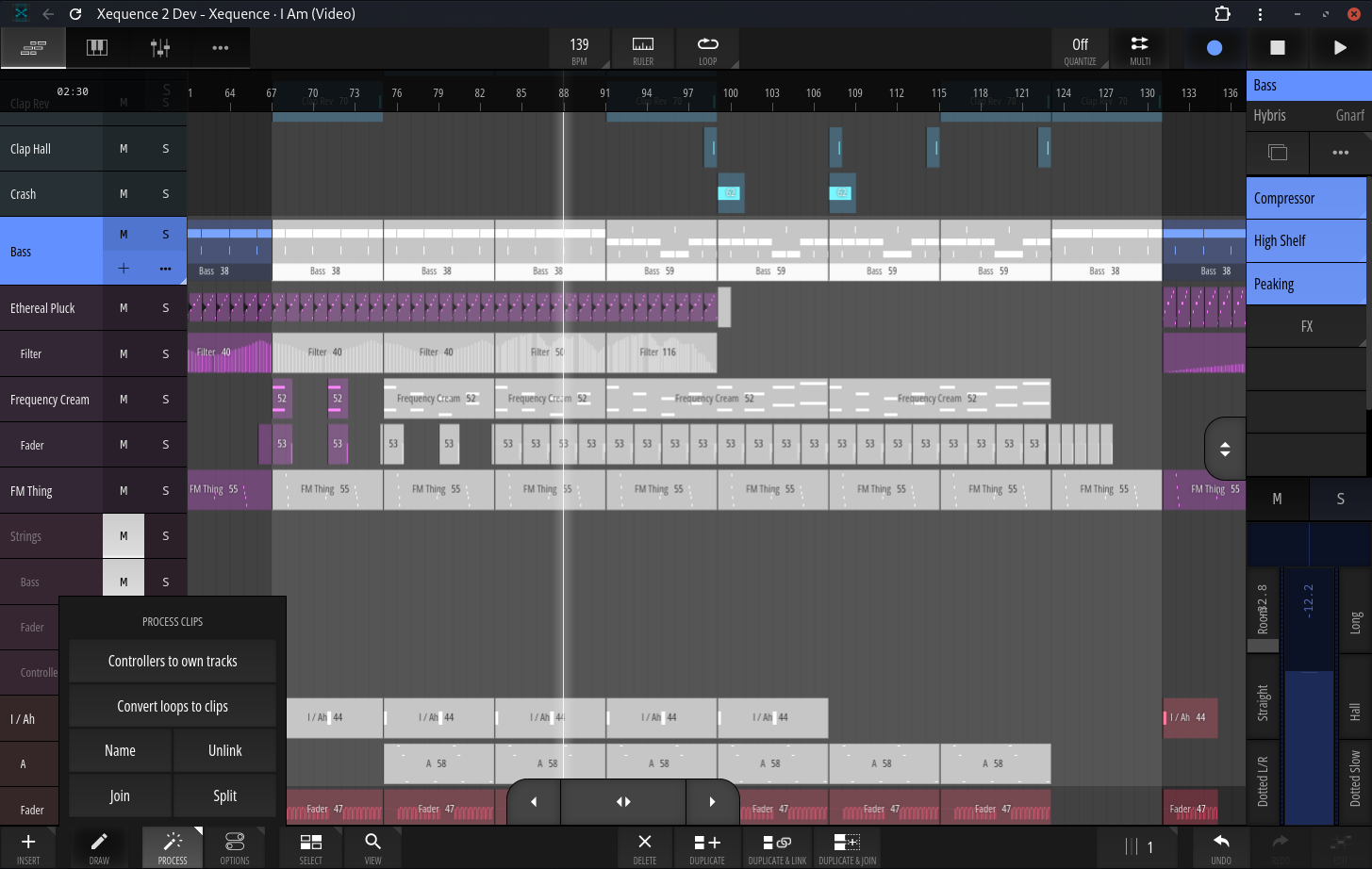
Split, join, unlink, convert loops to clips, and more.
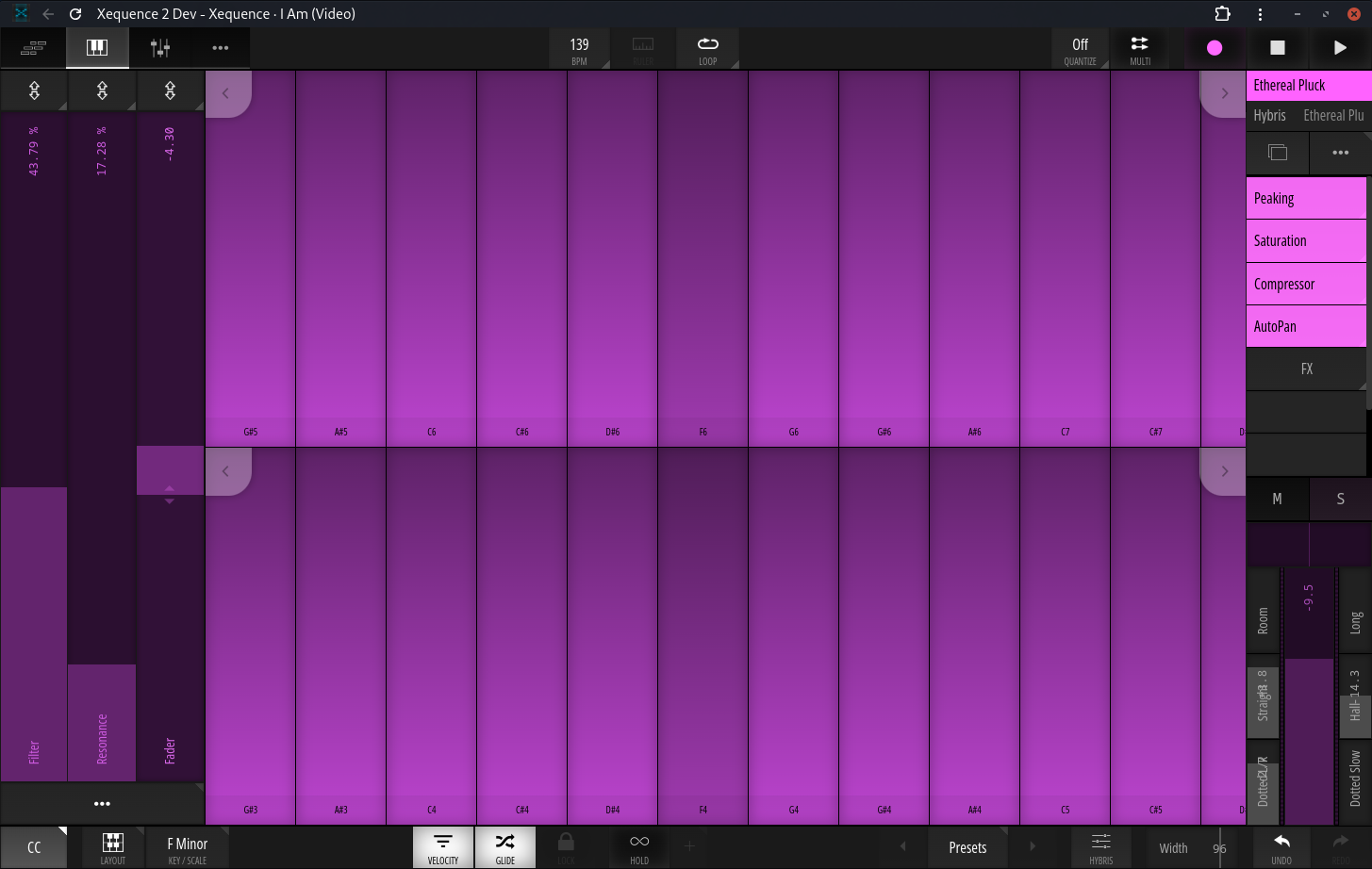
Scale-aware dual keyboards with glide and velocity by vertical position.
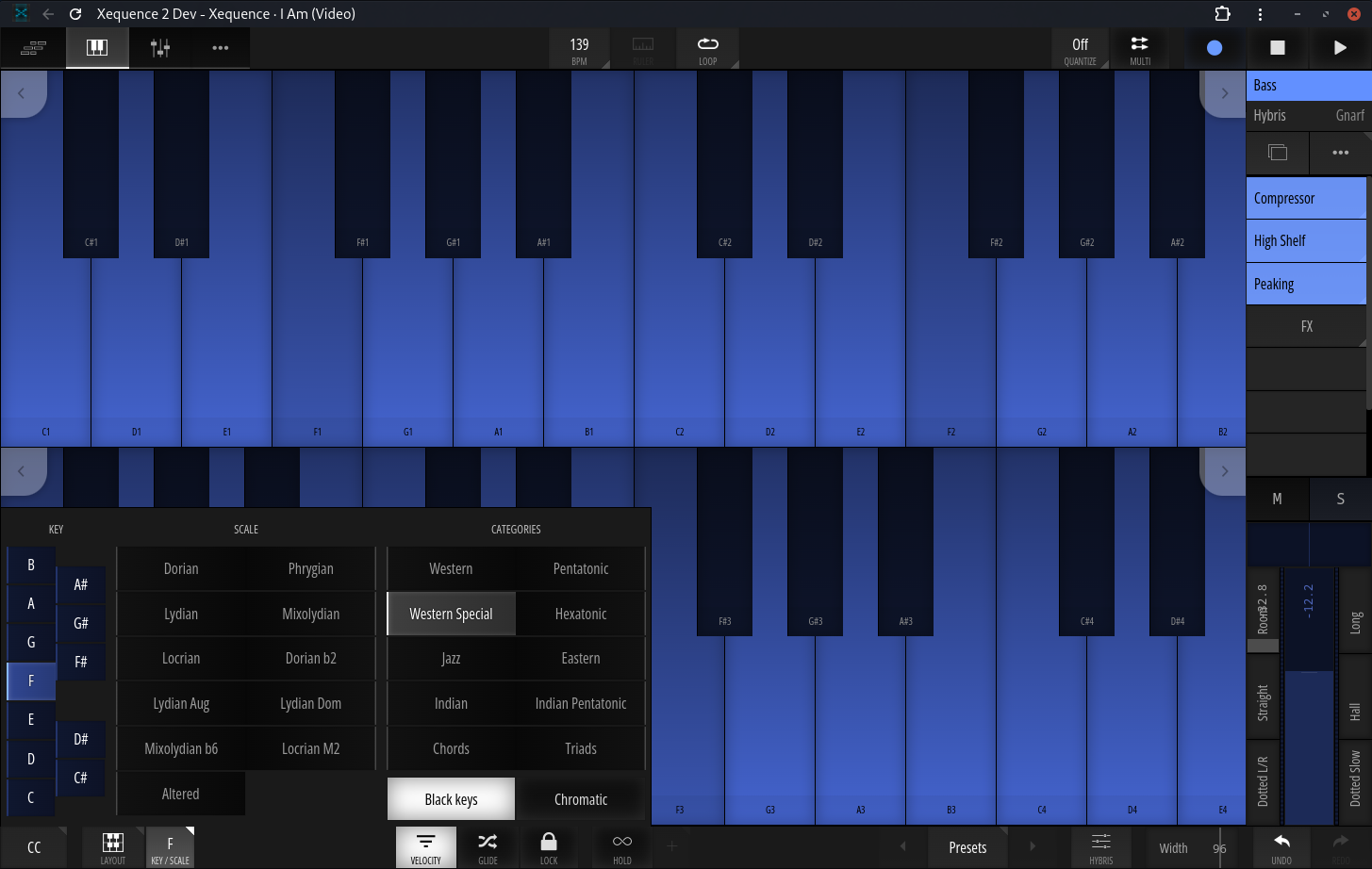
Over 70 scales in 10 categories.
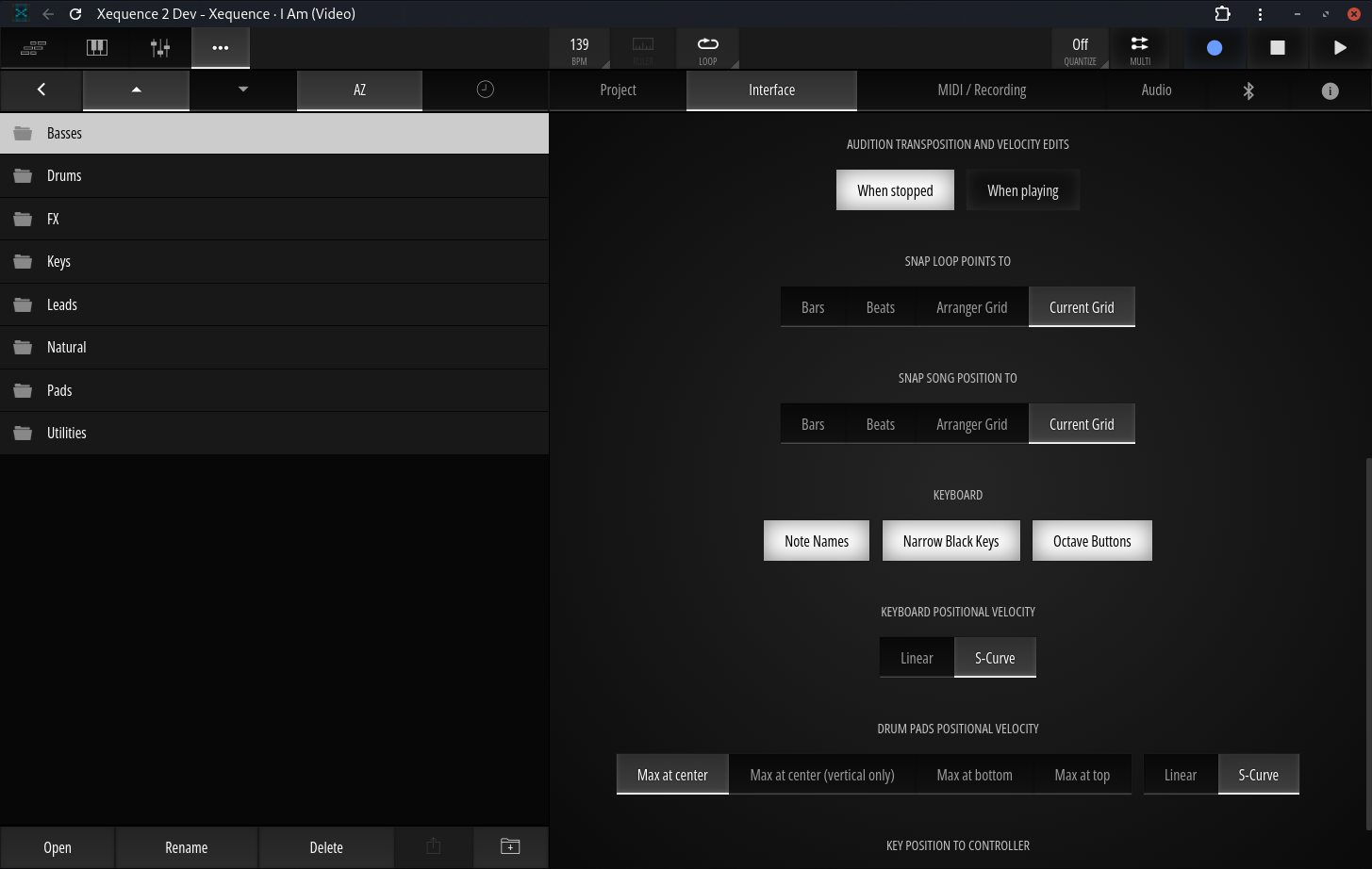
Audio, timing and interface configuration.
Hybris, the modular synth
Every instrument in Xequence Audio is a Hybris patch. Modules are added freely and wired to each other or to any exposed parameter, and the module layout is the user interface - there is no separate "skin" to design.
Polyphony is adjustable with dynamic voice allocation, so nodes are created and torn down as notes demand them. 66 presets are included, along with portamento, legato and a randomize function.
34 module types
AutoPan, Chorus, Compressor, Multiband Compressor, Controller, Convolution Reverb, Delay, MultiTap Delay, Delay Line, Destructor, Envelope, EQ, Filter, Flanger, Gain, Invert, LFO, Modulator, Multiply, Noise, Oscillator, Phaser, Pitch Shifter, Random Value, Algorithmic Reverb, Ring Modulator, Sample, Multi Sample, Sample Grain, Sample Slicer, Sparkle, Stereo Phase, Stereo Width, Velocity, Waveshaper.
The mixer
Unlimited channels, sends, groups and inserts, with routing in every direction that makes sense: channel to send, send to send, send to group, group to send. Compressors sidechain from any channel. Whole channel strips and effect chains can be saved and reloaded into other projects.
A task manager shows approximate CPU cost per channel and instrument, so when something is expensive, you can find it.
Relative automation
Automation in most DAWs fights the fader: once a lane exists, the control you are looking at no longer means what it says. In Xequence Audio automation is relative, from −100% to +100% of a parameter's range, and it is added to whatever the interface is currently set to.
You can keep nudging a fader after the automation is drawn, and it does what you expect. Available for faders, pans, send amounts and the most important insert parameters.
MIDI editing, inherited
The sequencing parts are already famous: They are the editing suite from Xequence 2 for iOS, refined over years against a (vocal and opinionated 😄) user base.
Every editor is documented in depth in the Xequence 2 manual. The editing chapters apply directly; the setup and MIDI chapters are iOS-specific and do not apply to Xequence Audio.
Arranger
- Unlimited clips, tracks and sub-tracks
- Linked clips: edit the original, all copies follow
- Per-track independent looping
- Per-track non-destructive swing and delay
- Selection by track, instrument, linked group, marquee
- Split, join, unlink, convert loops to clips
- 64 undo steps, clipboard shared across projects
Pianoroll
- Scale-aware folding: hide the notes not in key
- Live preview of every edit as you make it
- Relative or absolute grid snapping
- Legato, quantize, quantize ends, mirror, fill clip
- Configurable ghost overlays from other tracks
- 256 undo steps
Controllers & automation
- Reduce, quantize, compress/expand, mirror
- Ramps with selectable curves
- Note velocities editable as controller data
- Add and replace selection modes
- Configurable vertical grid and numeric entry
Keyboard & performance
- Scale-aware single or dual keyboards, adjustable key width
- Glide, and velocity from vertical touch position
- Editable drum maps and pads
- Touch ribbons for live control
- Controllers driven by slide, tilt (three axes), or button
- Over 70 scales in 10 categories
Where it runs, and what is missing
Browsers
- Chromium-based browsers: smooth, and the primary target
- Firefox: runs, but buffer underruns are more frequent because of its WebAudio implementation
- Safari / WKWebView: runs, but untested on recent versions
The interface is fully multi-touch, inherited from years of iOS work, so tablets are a first-class target rather than an afterthought.
Incomplete / To-Do
- Audio tracks. Not implemented. The groundwork exists: the Hybris sample modules already chase notes and apply correct sample offsets, so most of the remaining work is exposing them as tracks and building recording.
- WebMIDI. The MIDI implementation is comprehensive and well-tested, but currently iOS-only. Making a WebMIDI adapter should be straightforward due to an extremely robust generalized timestamped pre-rolling MIDI queue implementation.
Both are on the funding ladder.
This needs to become open source
The campaign to put Xequence Audio under the AGPLv3 is running now, and the code goes public the moment it reaches € 5,000.